Good sleep is one of the six pillars of lifestyle medicine, alongside nutrition, movement, stress management, social connection, and avoiding harmful substances. Adults are advised to sleep at least 7 hours a night on a regular basis (Watson et al., 2015), yet many of us lie awake with a busy mind. At Phasuk Farm we often begin with something gentle and ancient: scent.
Why scent can help you wind down
Smell is the only sense that travels directly to the limbic system, the part of the brain linked with emotion and memory. A familiar, calming aroma can signal to the body that it is safe to slow down. Used regularly at bedtime, a scent can also become part of a sleep ritual, a cue that tells your brain the day is over.
What the research says
- Aromatherapy and sleep quality: A meta-analysis of 12 controlled studies found that aromatherapy improved sleep quality and that inhalation was more effective than massage (Hwang & Shin, 2015).
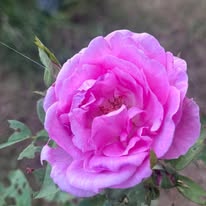
- Rose aroma: A 2025 meta-analysis of 28 randomized controlled trials reported that Rosa damascena aromatherapy reduced anxiety and stress and improved sleep quality (Xu et al., 2025).
- Simple methods work: In students with exam stress, inhaled essential oils reduced anxiety, and the most effective delivery was a few drops on cloth or pads placed near the person (Luan et al., 2023). This is exactly the idea behind a herbal sleep sachet.
A note of honesty: many studies are small and use different oils and methods, so results vary. Aromatherapy is a supportive tool, not a treatment for insomnia or sleep apnea. If poor sleep lasts more than a few weeks, please see a doctor.
A simple bedtime aroma ritual
- Dim the lights and put screens away 30–60 minutes before bed.
- Place your herbal sachet beside your pillow or on the bedside table.
- Gently squeeze the sachet to release its scent, then take five slow breaths: in through the nose for 4 counts, out for 6 counts.
- Keep the same routine every night, including a regular wake-up time, so your body learns the rhythm.
Workshop: Make Your Own Thai Herbal Sleep Sachet
In this hands-on workshop at Phasuk Farm, you will walk through our herb garden, learn how each plant smells and feels, and create a personal sleep sachet to take home. We use aromatic plants grown on the farm and in our community, and essential oils are distilled from our own farm still.
What goes into a sleep sachet?
- A breathable bag: cotton or muslin, about the size of your palm.
- Dried aromatic herbs (choose 2–3): rose petals, jasmine flowers, pandan leaf, kaffir lime leaf and peel, and lemongrass.
- A small cotton pad with 2–3 drops of essential oil (for example, our farm-distilled oils or rose) tucked inside the sachet. The oil touches the pad, not your skin.
- A ribbon or string to tie it closed, so you can open and refresh it later.
Workshop steps
- Herb walk: smell fresh leaves in the garden and notice which scents feel calming to you.
- Distillation corner: see how essential oil is extracted from fresh herbs with steam.
- Blend your herbs: mix your chosen dried herbs in a bowl, crushing them lightly to wake up the aroma.
- Fill and tie: spoon the blend into the bag, add the scented cotton pad, and tie it closed.
- Breathing practice: finish with a short guided breathing session using your new sachet.
Caring for your sachet
- Squeeze it each night to release the scent.
- Refresh the cotton pad with 1–2 drops of oil every week or two, and replace the herbs when the aroma fades.
- Keep it dry to prevent mold.
Safety first
- Never swallow essential oils, and keep them out of reach of children.
- Do not put sachets in a baby’s or young child’s bed. Ask a health professional before using aromatherapy with children.
- If you are pregnant, have asthma or allergies, or take regular medication, check with your doctor or nurse first.
- Some pets, especially cats, are sensitive to essential oils. Keep sachets away from them.
- Stop using any scent that causes headaches, sneezing, or skin irritation.
Join the workshop. The Herbal Sleep Sachet Workshop is available for individuals, families, corporate groups, and study visits and can be combined with a farm stay or our wellness retreats. Dates are arranged on request all year round. Contact us on LINE at jeab51031287, call +66 90 282 9245, or visit our contact page.
References
- Hwang, E., & Shin, S. (2015). The effects of aromatherapy on sleep improvement: A systematic literature review and meta-analysis. Journal of Alternative and Complementary Medicine, 21(2), 61–68. https://doi.org/10.1089/acm.2014.0113
- Luan, J., Yang, M., Zhao, Y., Zang, Y., Zhang, Z., & Chen, H. (2023). Aromatherapy with inhalation effectively alleviates the test anxiety of college students: A meta-analysis. Frontiers in Psychology, 13, 1042553. https://doi.org/10.3389/fpsyg.2022.1042553
- Watson, N. F., Badr, M. S., Belenky, G., Bliwise, D. L., Buxton, O. M., Buysse, D., Dinges, D. F., Gangwisch, J., Grandner, M. A., Kushida, C., Malhotra, R. K., Martin, J. L., Patel, S. R., Quan, S. F., & Tasali, E. (2015). Recommended amount of sleep for a healthy adult: A joint consensus statement of the American Academy of Sleep Medicine and Sleep Research Society. Sleep, 38(6), 843–844. https://doi.org/10.5665/sleep.4716
- Xu, S., Shen, X., Xu, L., Xue, L., Wu, P., Wang, S., & Hu, X. (2025). The effects of Rosa damascene aromatherapy on mood and sleep: A systematic review and meta-analysis. Frontiers in Public Health, 13, 1646592. https://doi.org/10.3389/fpubh.2025.1646592


ใส่ความเห็น