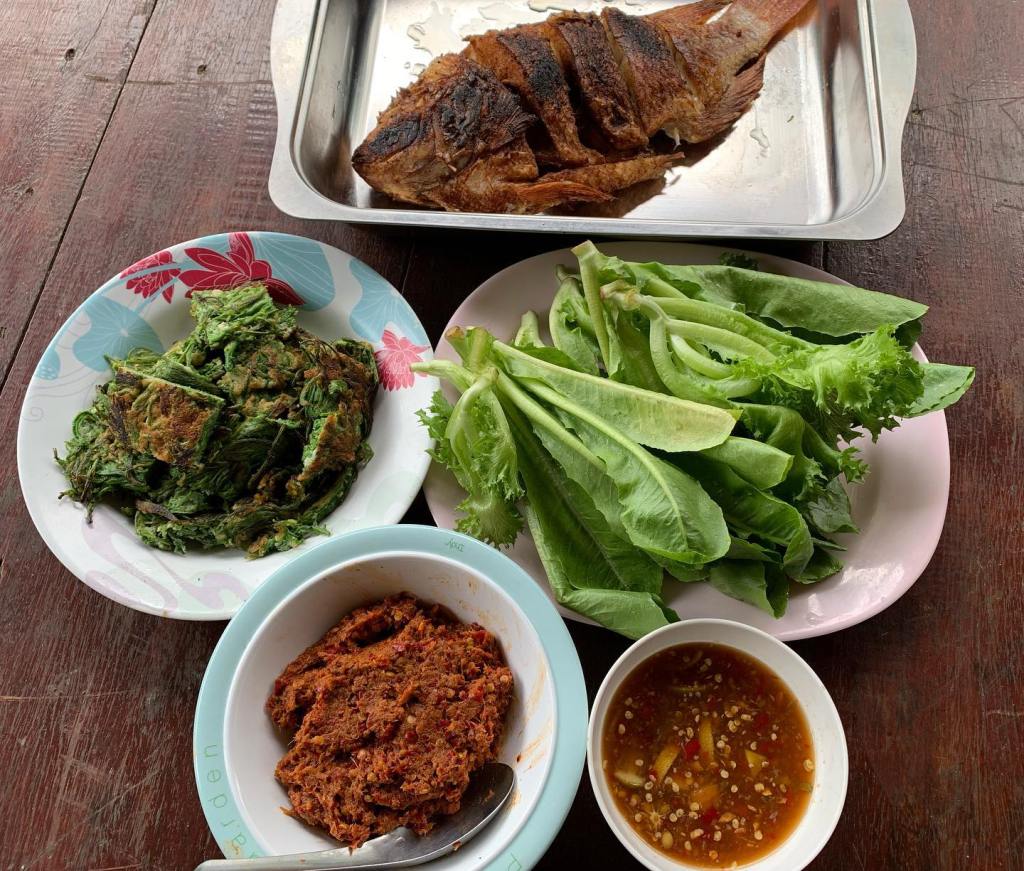
“Liver detox” is one of the most searched wellness topics online—and one of the most misunderstood. Juice cleanses, detox teas, and expensive supplements promise to “flush out toxins,” yet the real detox system is already inside you: your liver. The good news is that what you eat every day has a powerful, well-documented effect on how well your liver works. This article explains, in simple terms, what the science actually supports.
Your liver already knows how to detox.
The liver processes almost everything that enters the body—medicines, alcohol, hormones, and by-products of metabolism. It works in two main steps. In Phase I, enzymes (the cytochrome P450 family) change these substances chemically. In Phase II, the liver attaches them to other molecules so they become water-soluble and can leave the body through bile and urine. Both phases depend on nutrients from food, including protein, B vitamins, and plant compounds [8].
A critical review of commercial “detox diets” found no good clinical evidence that they remove toxins or that the body needs them to do so [7]. So the goal is not a short, extreme cleanse—it is to stop overloading the liver and to give it what it needs, every day.
The biggest threat today: fat in the liver
The most common liver problem worldwide is not caused by toxins but by excess fat. Now called MASLD (metabolic dysfunction-associated steatotic liver disease, formerly “fatty liver” or NAFLD), it is closely linked to abdominal obesity, high blood sugar, high blood pressure, and abnormal blood lipids [2]. It affects roughly one in three adults and often has no symptoms until damage is advanced [1].
For Asian people, risk begins at lower body weights than in Western populations. A BMI of 23 or above is already considered overweight for Asians [10], and a waist circumference of 90 cm or more in men, or 80 cm or more in women, signals abdominal (visceral) fat—the kind most closely tied to fatty liver.
7 nutrition principles that truly support your liver
1. Gentle, steady weight loss if you carry extra weight
This is the most effective “liver detox” known. In a one-year study of people with fatty-liver inflammation (NASH), losing 7% or more of body weight resolved the inflammation in most participants, and losing 10% or more was linked to improvement in liver scarring [3]. European guidelines recommend lifestyle-based weight loss as the foundation of treatment [1]. Crash diets are not needed—and very rapid weight loss can strain the liver.
2. Cut sugary drinks and added sugar.
Fructose—found in table sugar, syrups, sweetened drinks, and many bubble teas—is processed mainly by the liver, where excess amounts are readily turned into fat [6]. Replacing sweet drinks with water, unsweetened herbal tea, or plain coffee is one of the simplest, highest-impact changes you can make. Whole fruit in normal portions is fine; its fiber slows sugar absorption.
3. Limit alcohol—or avoid it.
Alcohol is processed almost entirely by the liver and directly damages liver cells. For people who already have fatty liver, current guidelines advise keeping alcohol to a minimum or stopping completely [1].
4. Eat in a Mediterranean-style pattern—the Thai way.
A Mediterranean-style diet—rich in vegetables, legumes, whole grains, fish, and healthy fats, and low in processed food—reduced liver fat and improved insulin sensitivity even without weight loss [5]. You can follow the same principles with Thai food: plenty of vegetables and herbs, fish instead of processed meat, brown or mixed rice instead of white rice only, and steaming, boiling or grilling instead of deep-frying.
5. Include cruciferous and colorful vegetables every day.
Cabbage, Chinese kale (kana), broccoli, cauliflower, and other cruciferous vegetables contain compounds such as sulforaphane that support the liver’s Phase II enzymes. Colourful vegetables and herbs also supply polyphenols and antioxidants that help the body manage oxidative stress produced during detoxification [8].
6. Enjoy coffee—without the sugar
In a large UK Biobank study of nearly half a million adults, coffee drinkers—of ground, instant, or decaffeinated coffee—had a lower risk of developing chronic liver disease and of dying from it than non-drinkers [4]. The benefit applies to black or lightly milked coffee, not to sweetened 3-in-1 mixes or syrupy café drinks.
7. Get enough protein and fiber.
The liver needs amino acids from protein to carry out Phase II detoxification [8], and adequate protein protects muscle while you lose weight. Good sources include fish, eggs, tofu, beans, and lean poultry. Fiber from vegetables, legumes, and whole grains supports a healthy gut, helps control blood sugar, and helps carry waste out of the body.
A note on herbal supplements
“Natural” does not always mean safe for the liver. Turmeric, for example, is a healthy spice in everyday cooking, yet concentrated turmeric and curcumin supplements have been linked to rare cases of liver injury [9]. Use herbs mainly as food, and talk to your doctor or pharmacist before taking any concentrated herbal product—especially if you already take regular medicines.
A simple liver-friendly plate
- Half the plate: vegetables and herbs—boiled, steamed, stir-fried with little oil, or fresh with nam prik
- A quarter: protein—grilled fish, eggs, tofu, or beans
- A quarter: whole-grain carbohydrate—brown, riceberry, or mixed rice
- To drink: water, unsweetened herbal tea, or black coffee
- Dessert: fresh seasonal fruit instead of sweets
Supporting your liver at Phasuk Farm
At Phasuk Farm in Uttaradit, our programs are built on lifestyle medicine: farm-to-table meals using local vegetables and herbs, mindful eating, gentle movement in nature, restful sleep, and personal health coaching. Rather than a quick cleanse, we help you build daily habits that let your liver—and your whole body—do what they were designed to do. Programs can be arranged year-round by consultation.
This article is for general health education and does not replace medical advice. If you have liver disease or diabetes or take regular medication, please consult your doctor before changing your diet or starting supplements.
References
- European Association for the Study of the Liver (EASL), European Association for the Study of Diabetes (EASD), European Association for the Study of Obesity (EASO). EASL–EASD–EASO Clinical Practice Guidelines on the management of metabolic dysfunction-associated steatotic liver disease (MASLD). J Hepatol. 2024;81(3):492–542. doi:10.1016/j.jhep.2024.04.031
- Rinella ME, Lazarus JV, Ratziu V, Francque SM, Sanyal AJ, Kanwal F, et al. A multisociety Delphi consensus statement on new fatty liver disease nomenclature. Hepatology. 2023;78(6):1966–1986. doi:10.1097/HEP.0000000000000520
- Vilar-Gomez E, Martinez-Perez Y, Calzadilla-Bertot L, Torres-Gonzalez A, Gra-Oramas B, Gonzalez-Fabian L, et al. Weight loss through lifestyle modification significantly reduces features of nonalcoholic steatohepatitis. Gastroenterology. 2015; 149(2): 367–378. 5. doi:10.1053/j.gastro.2015.04.005
- Kennedy OJ, Fallowfield JA, Poole R, Hayes PC, Parkes J, Roderick PJ. All coffee types decrease the risk of adverse clinical outcomes in chronic liver disease: a UK Biobank study. BMC Public Health. 2021;21:970. doi:10.1186/s12889-021-10991-7
- Ryan MC, Itsiopoulos C, Thodis T, Ward G, Trost N, Hofferberth S, et al. The Mediterranean diet improves hepatic steatosis and insulin sensitivity in individuals with non-alcoholic fatty liver disease. J Hepatol. 2013;59(1):138–143. doi:10.1016/j.jhep.2013.02.012
- Jensen T, Abdelmalek MF, Sullivan S, Nadeau KJ, Green M, Roncal C, et al. Fructose and sugar: a major mediator of non-alcoholic fatty liver disease. J Hepatol. 2018;68(5):1063–1075. doi:10.1016/j.jhep.2018.01.019
- Klein AV, Kiat H. Detox diets for toxin elimination and weight management: a critical review of the evidence. J Hum Nutr Diet. 2015;28(6):675–686. doi:10.1111/jhn.12286
- Hodges RE, Minich DM. Modulation of metabolic detoxification pathways using foods and food-derived components: a scientific review with clinical application. J Nutr Metab. 2015;2015:760689. doi:10.1155/2015/760689
- LiverTox: Clinical and Research Information on Drug-Induced Liver Injury. Turmeric. Bethesda (MD): National Institute of Diabetes and Digestive and Kidney Diseases; 2012 –. Available from: https://www.ncbi.nlm.nih.gov/books/NBK548561/
- WHO Expert Consultation. Appropriate body-mass index for Asian populations and its implications for policy and intervention strategies. Lancet. 2004;363(9403):157–163. doi:10.1016/S0140-6736(03)15268-3



ใส่ความเห็น